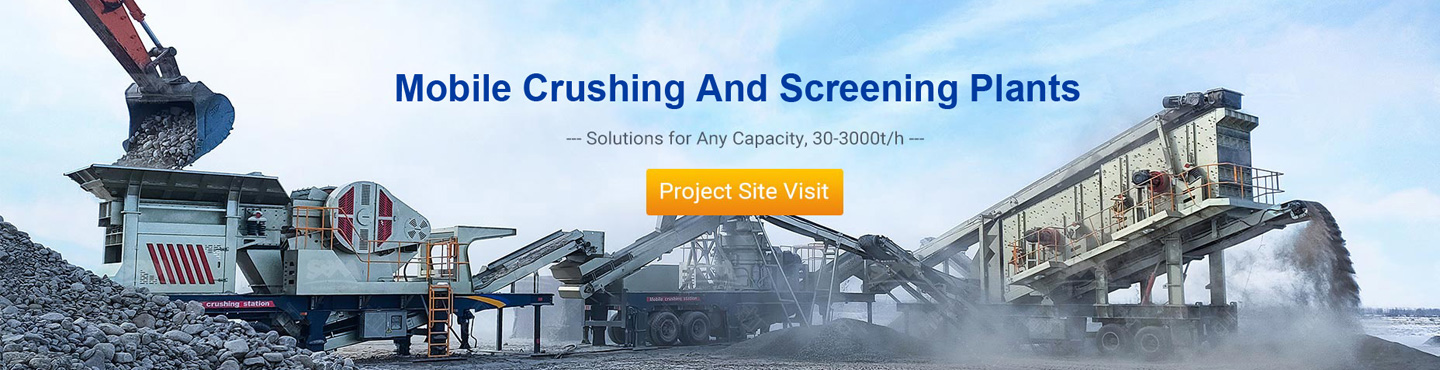
In recent years, the construction and demolition sectors have increasingly turned to mobile concrete crushers as an efficient solution for recycling concrete and other construction materials. These machines allow contractors to process concrete on-site, reducing transportation costs and promoting sustainable construction practices. However, the initial investment cost is a key consideration for businesses planning to adopt this technology.
What is a Mobile Concrete Crusher?
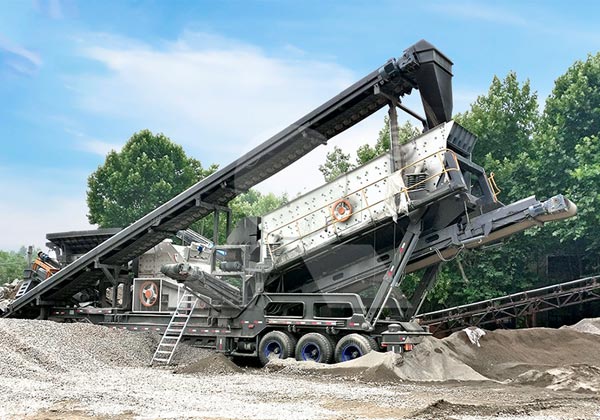
A mobile concrete crusher is a portable machine designed to crush concrete debris into reusable aggregates. Unlike stationary crushers, mobile crushers can be transported directly to the demolition or construction site, saving time and logistical costs. They are equipped with advanced features such as vibrating feeders, impact crushers, or jaw crushers to handle various sizes of concrete debris.
Factors Affecting the Investment Cost
The investment cost of a mobile concrete crusher depends on several factors:
1. Type of Crusher
Mobile crushers come in different configurations:
- Jaw Crushers – Ideal for primary crushing of hard materials.
- Impact Crushers – Suitable for secondary crushing and recycling applications.
- Cone Crushers – Best for finer crushing stages with high-quality output.
2. Capacity
The processing capacity, typically measured in tons per hour (TPH), significantly affects the cost. Crushers with higher capacities require more robust engines, larger screens, and stronger frames, increasing the price. Small-capacity crushers (50–100 TPH) are more affordable, while large-capacity models (200–500 TPH) require a higher investment.
3. Brand and Quality
Well-known brands often offer more reliable machines with advanced technology and better after-sales service. While the initial cost may be higher, long-term maintenance costs are generally lower. Less-known brands may have lower upfront costs but could incur higher repair and downtime expenses.
4. Additional Features
Optional features such as magnetic separators for removing rebar, remote control operation, hydraulic folding conveyors, and enhanced safety systems can increase the overall investment cost.
5. Transportation and Installation Costs
Although mobile crushers are portable, transporting them to the job site and setting them up can add to the overall investment. Some machines are trailer-mounted for easier mobility, reducing additional transport costs.
Typical Investment Cost
The investment cost for a mobile concrete crusher can vary widely:
-
Small-scale mobile crushers: $30,000–$70,000
-
Medium-scale crushers: $70,000–$150,000
-
Large-capacity crushers: $150,000–$400,000 or more
It is important to consider not only the purchase price but also operating costs, maintenance, and potential savings from recycling concrete on-site.
Benefits That Justify the Investment
Despite the high upfront cost, mobile concrete crushers offer numerous financial and operational benefits:
-
Reduced disposal costs: Crush concrete on-site instead of transporting it to landfills.
-
Material reuse: Produce aggregate for new construction, lowering material costs.
-
Flexibility: Move the crusher between sites as needed.
-
Sustainability: Promote green construction by recycling concrete.
Investing in a mobile concrete crusher is a significant but strategic decision for construction companies and demolition contractors. While the upfront cost may seem high, the long-term benefits in terms of reduced disposal fees, on-site efficiency, and sustainable practices often outweigh the initial investment. When choosing a mobile concrete crusher, careful consideration of capacity, type, brand, and additional features is essential to maximize return on investment.