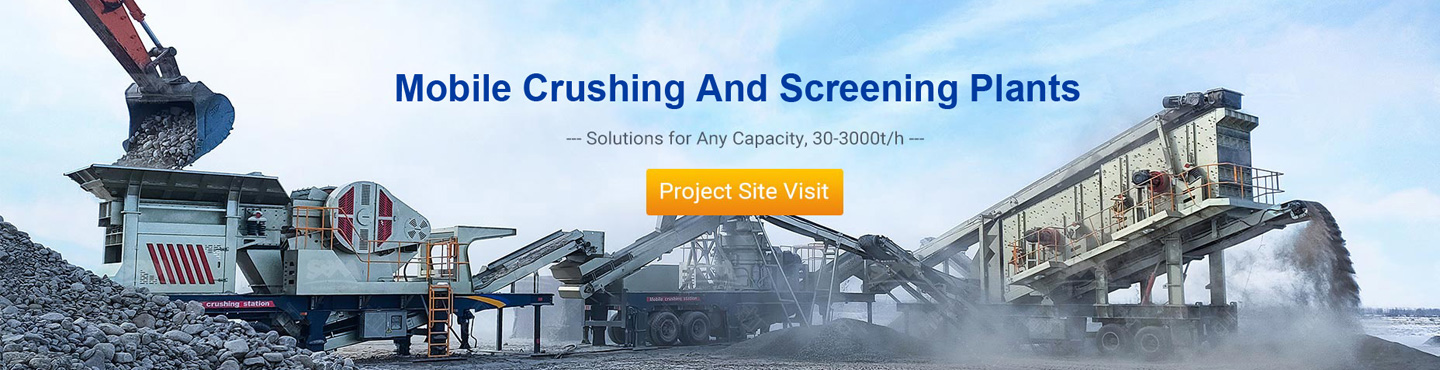
Survival in basalt and granite quarries requires a mobile plant built for high Abrasive Index materials, specifically utilizing manganese liners and a heavy-duty integrated chassis to absorb extreme impact vibration. The combination of an NK75J primary jaw station (680mm max feed) and an NK300H secondary cone station delivers a capacity of 150-350 tph while minimizing cost per ton of aggregate through automated lubrication and on-site maintenance access.
Field Survival: Battling High Abrasion and Structural Fatigue
Basalt and granite aren’t just minerals; they are machine killers. If you are operating in remote site operations, the Abrasive Index is the only metric that determines your daily running costs. Lightweight, highway-optimized frames will develop structural fatigue within months of hitting 160MPa rock. The NK series solves this with a heavy-duty integrated chassis that acts as a vibration dampener, protecting the core drive systems from the harmonic destruction inherent in granite crushing.
Primary Crushing: The NK75J Heavy-Lifting Strategy
In a basalt circuit, the primary jaw is your first line of defense. The NK75J is configured to handle a Max Feed of 680mm, ensuring you aren’t wasting time with hydraulic hammers on the feed pile. With a capacity of 150-350 tph, this unit uses work-hardening manganese liners that actually get tougher as they chew through the granite. I’ve seen operators try to save on the upfront equipment price by using standard steel—they usually end up with a pile of scrap metal and a stalled belt within the first 500 hours.
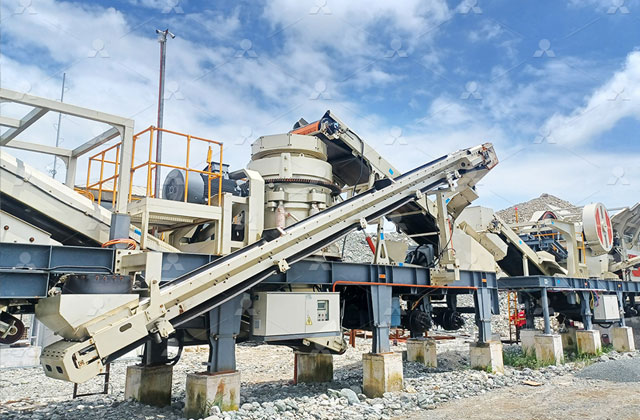
Secondary Reliability: The NK300H Precision Circuit
Once the primary reduction is done, the NK300H cone crusher handles the secondary sizing. It accepts material up to 220mm and maintains a capacity range of 110-440 tph. In these high-dust basalt environments, the automatic lubrication system isn’t a luxury; it’s a survival requirement. It prevents the fine silica dust from migrating into the eccentric bushings, which is the fastest way to kill your profitability timeline in April 2026.
| Technical Parameter | NK75J (Primary) | NK300H (Secondary) |
|---|---|---|
| Max Feed Size | 680 mm | 220 mm |
| Capacity (tph) | 150 – 350 | 110 – 440 |
| Power Rating | 141.4 kW | 283 – 323.5 kW |
| Primary Crusher | PE3040 Jaw | HPT300 Cone |
Operational Reliability and Wear-Cost Control
The real profit killer in hard rock isn’t the diesel bill; it’s non-scheduled downtime. When a liner wears out or a bearing seizes in a remote site, your cost per ton of aggregate triples instantly. We focus on “on-site” maintenance. The NK series is designed so your crew can perform liner swaps and lubrication checks without a specialized engineering team. This focus on system availability ensures that your initial investment pays back faster by keeping the belts running during peak demand shifts.
Frequently Asked Questions
- How do manganese liners improve the cost per ton of aggregate in basalt?
- Manganese steel work-hardens under the intense impact of hard rock. As the basalt hits the plate, the surface layer becomes harder than the original material, significantly extending the wear life compared to standard alloys.
- Can the NK100E handle the same 680mm feed as the NK75J?
- Yes, both the NK75J and NK100E utilize the PE3040 jaw crusher, supporting a Max Feed of 680mm and a capacity of up to 350 tph.
- Why is an automatic lubrication system critical for granite mobile crushers?
- Granite crushing generates high-frequency vibration and micro-fine dust. Automatic systems maintain constant positive pressure in the bearings, flushing out contaminants and ensuring the profitability timeline isn’t cut short by a seized main shaft.
Diagnostic Audit: What is your current liner replacement interval for your granite circuit? If you are swapping plates every two weeks, your crushing chamber geometry is likely misaligned with your feed size. Send us your feed gradation data for a wear-rate optimization analysis.